The most useful used car buying tips come down to a few checks before you pay: budget on the total cost, run a PPSR check, get an independent inspection, test drive the car, read the service history and know what protection you have with a dealer or private seller.
This guide walks through each step for Australian buyers, with WA detail on warranties, transfer and duty. Each check lowers the risk of buying a problem car, but none of them can guarantee a car is fault-free.
- Budget on the total cost, not the sticker price.
- Sort out finance before you start looking.
- Research the model and what it sells for.
- Decide between a dealer and a private seller.
- Run a PPSR check on the car.
- Get an independent pre-purchase inspection.
- Take a proper test drive.
- Check the service history and paperwork.
- Watch for payment scams.
- Negotiate, then read the contract before you sign.
- Transfer the registration on time.
Budget on the total cost
The price on the windscreen is only part of what you'll pay. In WA you'll also pay vehicle licence duty and a transfer fee, then ongoing costs such as registration, insurance, servicing and repairs.
Most tips on used car buying start with the car, but the money side matters just as much. Set a maximum for the total, not just the repayment.
A low weekly figure can hide a long loan term or extra costs, so the full amount is the number to hold on to.
Sort out finance before you shop
If you're borrowing, work out what you can comfortably repay before you visit a car yard. Dealer finance is one option, and it's worth comparing it with other lenders on the total cost, including fees and the loan term.
The age of the car can affect the finance available, according to Consumer Protection WA. Our guide to what car loan rates look like explains what moves the rate you're offered.
Research the model and the price
Every used car is different, even two of the same model and year. Kilometres, condition and how the car was looked after matter as much as the badge.
Think about how you'll use it, from suburban driving to long country trips, and read independent reviews of the model. If you're weighing up options, our rundown of Australia's most popular models is a useful starting point.
Look at what similar cars are listed for before you contact anyone. That gives you a fair range to work from when you talk price.
Dealer or private seller
Where you buy changes what the law gives you. Consumer Protection WA notes that a private sale can be more cost-effective than a dealer, but it carries a higher level of risk.
What applies | Licensed dealer | Private seller |
|---|---|---|
ACL consumer guarantees | Apply | Do not apply |
WA statutory warranty | For eligible cars | Does not apply |
Money owing on the car | Must be none | Check it yourself |
Rego transfer in WA | Dealer does it | You and the seller |
Source: Consumer Protection WA and Transport WA, checked 15 October 2026. WA rules; other states differ.
Australian Consumer Law (ACL) consumer guarantees apply when you buy from a dealer: the car must be of acceptable quality and last a reasonable time. Those guarantees, and the WA statutory dealer warranty, do not apply to a private sale.
The statutory warranty is a separate WA rule under the Motor Vehicle Dealers Act. According to Consumer Protection WA, it covers used cars bought from licensed dealers and priced at $4,000 or more, with cover set by the car's age and kilometres at the time of sale.
- Not more than 10 years old, not more than 150,000 km: 3 months or 5,000 km, whichever comes first.
- More than 10 but not more than 12 years old, between 150,000 and 180,000 km: 1 month or 1,500 km, whichever comes first.
- More than 12 years old, more than 180,000 km: no statutory warranty.
Some vehicles are outside it, including single-cab utes, vehicles mainly built to carry goods, trucks and caravans, although ACL consumer guarantees still apply to them. A WA dealer must give you an information statement showing which statutory warranty, if any, applies to the car.
Run a PPSR check
A search of the Personal Property Securities Register (PPSR) helps you avoid taking on someone else's debt or a car with a hidden past. Consumer Protection WA says it shows whether a car is a repairable write-off, has been stolen, or has debts owing on it.
Write-off information is included for cars less than 15 years old. You'll need the 17-character vehicle identification number (VIN), found in the owner's manual or stamped on the driver's side door.
The search cost $2 at ppsr.gov.au when we checked on 15 October 2026, and fees can change. Consumer Protection WA warns that unofficial websites linking to the register charge much more.
In WA you can also use the free Transport WA registration check to confirm the car's details, and the account lookup to see whether it has outstanding payments. As Consumer Protection WA notes, these sit alongside the PPSR search, not instead of it.
A clear result lowers the risk, but it can't tell you everything. It won't show mechanical faults, which is why the next step matters.
Get an independent inspection
Consumer Protection WA strongly recommends a pre-purchase inspection by a qualified mechanic for any used car. Choose and book the mechanic yourself, rather than relying on a report arranged by the seller.
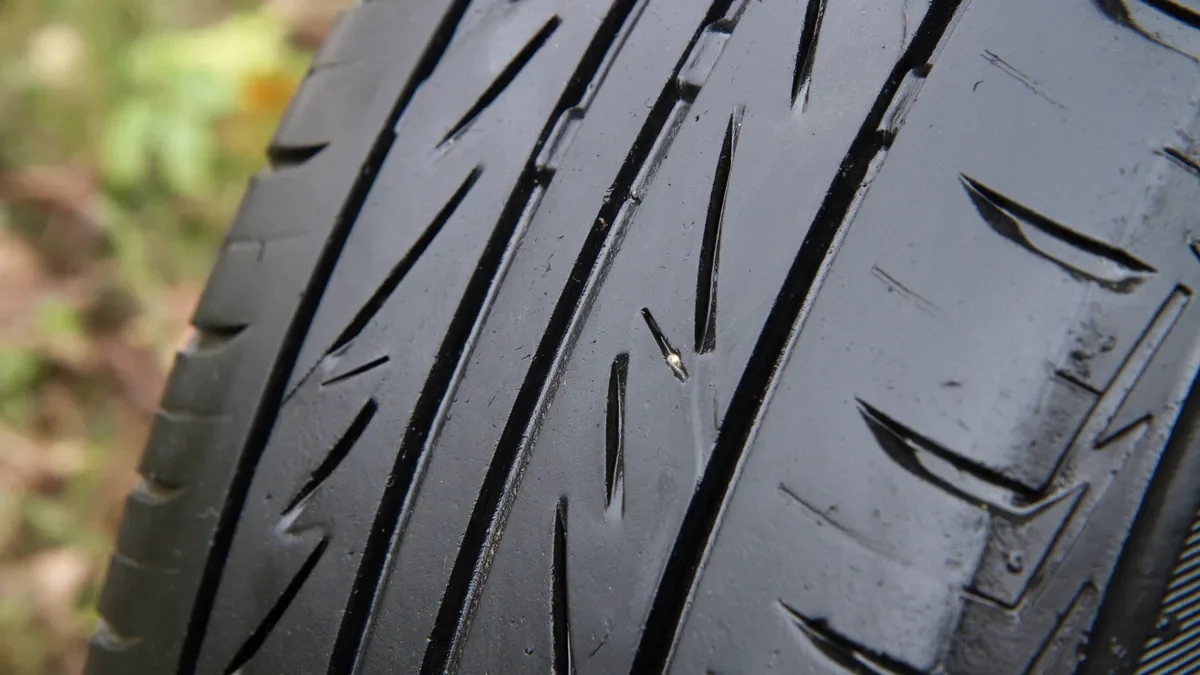
An inspection looks for problems you can't easily see, such as leaks, worn parts, rust or signs of earlier repairs. Even a thorough one can miss faults that aren't showing on the day, so treat it as lowering the risk rather than removing it.
If the mechanic finds problems, you can ask the seller to fix them, adjust the price or walk away. A written report also gives you a record of the car's condition when you bought it.
Test drive it properly
A test drive tells you how the car feels in normal use. The buyer's checklist from Consumer Protection WA suggests paying attention to any unusual sounds or issues along the way.
Drive it on roads you know, within the speed limit, with the seller's agreement and your licence on you.
- Check that the dashboard warning lights go out after the engine starts.
- Notice whether the steering pulls to one side or feels loose.
- Brake gently and normally, and feel for shuddering or pulling.
- Listen for knocking, grinding or whining over bumps and through gear changes.
- Try the air conditioning, lights, wipers, windows and locks.
Keep the drive ordinary and safe; there's no need for hard braking or high speeds. Anything that feels wrong is worth raising with your mechanic before you buy.
Check the service history and paperwork
A stamped logbook that matches the manufacturer's schedule shows how the car has been looked after. Gaps aren't always a deal-breaker, but they're worth asking about.
Make sure the VIN on the car matches the paperwork and your PPSR search, and ask for both keys. When you buy from a dealer, the information shown with the car must say whether it's a repairable write-off if it's under 15 years old.
Watch for payment scams
Fake listings are common on online marketplaces, especially for cars priced well below similar ones. According to WA ScamNet, if the price sounds too good to be true, it usually is.
Be suspicious of a seller who only accepts bank transfers or asks you to pay through a third-party transport or payment site. Check that the photos aren't copied from other listings, and see the car and the seller before any money changes hands.
Negotiate and read the contract
Your research and the inspection report are what give you something to talk about. Raise specific faults and what they'll cost to fix, and be ready to walk away if the numbers don't work.
With a dealer, the contract should show the total cost of the car, any trade-in amount and any special conditions, such as a subject-to-finance clause. Get anything the dealer promises written into the contract.
You can withdraw before both you and the dealer have signed, but WA has no cooling-off period for vehicle sales. If you cancel after signing, you may be asked to pay pre-estimated damages, and Consumer Protection WA says the most a dealer can charge is five per cent of the total purchase price.
Transfer the registration
In WA, the buyer must notify the Department of Transport within 14 days of buying the car, or a penalty applies. When you buy from a licensed dealer, Transport WA says it's the dealer's job to transfer the licence into your name.
Once it receives the transfer form, Transport WA sends an invoice for the transfer fee and vehicle licence duty. The transfer fee was $20.50 when we checked on 15 October 2026.
Other states and territories have their own rules. The table shows a few examples, not a complete national comparison.
State | What the buyer must do |
|---|---|
WA | Notify the Department of Transport within 14 days of buying |
NSW | Transfer the rego within 14 days to avoid a late transfer fee |
Queensland | Transfer within 14 days, with a current safety certificate |
Source: Transport WA, Service NSW and the Queensland Government, checked 15 October 2026. Examples only.
Wherever you buy, check the current requirements with your state or territory transport authority before you pay. In NSW, for example, Service NSW also needs the seller to lodge a notice of disposal, and deadlines, fees and inspection certificates can change.
What a used car really costs in WA
Vehicle licence duty is the biggest upfront cost after the price. For a light vehicle, the WA Government charges 2.75 per cent of the dutiable value up to $25,000, a sliding rate between $25,000 and $50,000, and 6.5 per cent above that.
The table works that through for two example prices.
Upfront cost | $18,000 car | $30,000 car |
|---|---|---|
Purchase price | $18,000 | $30,000 |
Licence duty | $495 (2.75%) | $1,050 (3.5%) |
Transfer fee | $20.50 | $20.50 |
Total upfront | $18,515.50 | $31,070.50 |
Source: WA Department of Treasury and Finance duty rates and Transport WA transfer fee, checked 15 October 2026. An illustration only: it assumes the price is the dutiable value, and rates and fees can change.
Those figures follow the duty table published by the WA Government, and they come before the costs that vary from car to car. Budget for each of these separately.
- Registration, which in WA includes the vehicle licence fee and Motor Injury Insurance.
- Comprehensive or third-party property insurance.
- Servicing, tyres and other regular maintenance.
- Repairs, which tend to be more likely as a car ages.
- Loan interest and fees, if you're borrowing.
For more on how the duty is worked out, see our guide to how WA stamp duty is calculated. The Department of Transport also has an online duty calculator.
If you're trading in
A trade-in is valued on its condition and history, so a little preparation helps. Have the service records ready, find both keys and present the car clean inside and out.
Look at your car as a buyer would and note the flaws a dealer will see. That gives you a realistic view of its value before you negotiate.
Frequently asked questions
What should you check when buying a second hand car in Australia?
Check the PPSR, get an independent inspection, take a test drive and read the service history and registration details. Together they lower the risk of buying a problem car, but no check can remove it entirely.
Is it safer to buy from a dealer or a private seller?
A dealer sale comes with Australian Consumer Law consumer guarantees and, in WA, a statutory warranty for eligible cars. Those consumer guarantees and the WA statutory dealer warranty do not apply to a private sale, so the extra checks matter more.
What does a PPSR check show?
According to Consumer Protection WA, it shows whether a car is a repairable write-off, has been stolen or has debts owing on it. Write-off information is included for cars less than 15 years old.
Is there a cooling-off period on a used car in WA?
No, WA has no cooling-off period for vehicle sales, although you can withdraw before both you and the dealer have signed. After that, you may be asked to pay pre-estimated damages of up to five per cent of the total purchase price.
How do you haggle on a used car?
Know what similar cars are listed for and raise specific faults from the inspection. Stay polite, make a realistic offer and be ready to walk away.
Financing a used car through a broker
Once you've found the right car and done your checks, the finance is the last piece. Loans123 is a Perth finance broker that compares more than 30 lenders.
Our page on car finance in Perth explains how it works.
This article is general information only and does not take your personal circumstances into account. It is not financial advice. Consider whether a product suits you and read the loan terms before you apply.
Ready to see what you could borrow?
Loans123 compares more than 30 lenders from our Victoria Park office in Perth. Read more about our Car Finance and Car Repair Loans, or get a quote now.
Checking your options has no impact on your credit score.
Written by

Trent Cray
Finance Specialist, Loans 123
Trent is a Finance Specialist at Loans 123 in Victoria Park, Perth. He helps customers compare more than 30 lenders to find car, personal and business finance that suits their situation.
Meet the Loans 123 team