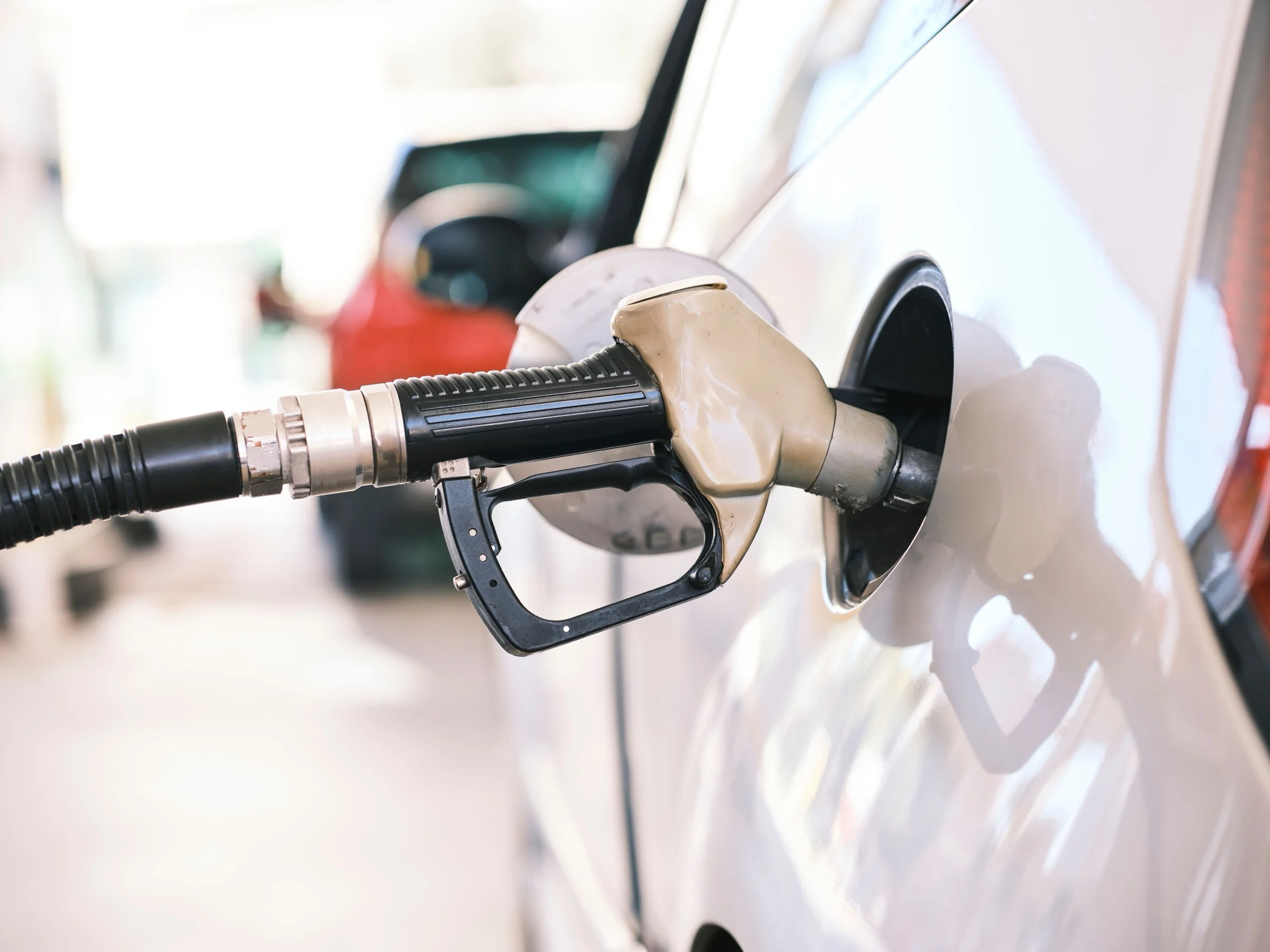
If you've filled up in the last couple of weeks and done a double take at the total, you're not imagining it. Petrol prices Australia-wide have been climbing since the start of July, and there's actually a second jump still to come. Here's the plain-English version of what's happening and what you can do about it.
What's Actually Happening at the Bowser Right Now
The temporary fuel excise relief that's been keeping prices down since April didn't disappear all at once. It's unwinding in two stages, and we're currently sitting in the middle of that process. If you want to talk through what it means for your situation, our brokers at Loans123 are here to help, but here's the short version for now.
The Australian Competition and Consumer Commission's weekly monitoring shows average petrol prices across Sydney, Melbourne, Brisbane, Adelaide and Perth rose from 151.5 cents a litre on 30 June to 158.1 cents on 1 July, and they've kept climbing since. A second, bigger jump is still ahead when the remaining relief ends on 3 August. If the swings have you thinking about your next car, it's worth comparing an EV car loan or a reliable used option before you decide, both covered further down.
Why Now? The Fuel Excise, Explained
Fuel excise is a tax built into the price of every litre of petrol and diesel sold in Australia, collected from fuel producers and importers and passed on to drivers. In March 2026, as global oil prices spiked following conflict in the Middle East, the government temporarily slashed it to ease cost-of-living pressure. That relief is now being wound back in stages rather than all at once.
| Period | Excise relief | What it means at the pump |
|---|---|---|
| 1 April to 30 June 2026 | Full 32c/L relief | Prices at their lowest point of the year |
| 1 July to 2 August 2026 | Reduced to 16c/L relief | Prices rising, currently in this window |
| From 3 August 2026 | Relief ends, full excise returns | A second, larger price jump expected |
Worth knowing: even with the recent rises, average petrol prices are still running below where they sat before the Middle East conflict escalated in February, according to the ACCC. It's the direction of travel that's catching people off guard, not the absolute price yet.
What This Actually Costs You Per Tank and Per Year
On an average 55-litre tank, the roughly 6.6 cent per litre rise seen in the first days of July alone adds a bit over $3.60 to every fill. That sounds small, but it compounds with every visit to the servo, and it's on top of an already sizeable line item in most household budgets.
According to the Australian Automobile Association's Transport Affordability Index, the average Australian household already spends close to $94 a week on fuel alone, out of roughly $436 a week in total car running costs.
| Weekly car cost (national average) | Amount |
|---|---|
| Car loan repayments | $214.38 |
| Fuel | $93.81 |
| Comprehensive insurance | $48.05 |
| Servicing and tyres | $36.30 |
| Registration, CTP and licensing | $33.82 |
| Roadside assistance | $2.53 |
If you're financing a car right now, fuel costs are worth factoring into your budget alongside the loan repayment itself. It's easy to focus on the sticker price and forget that running costs, fuel especially, can shift meaningfully within a single year.
Smart Ways to Soften the Blow at the Pump
A few habits genuinely move the needle. Fuel price cycle apps can help you time fill-ups in capital cities where prices swing in predictable patterns. Keeping tyres at the right pressure, removing excess weight from the boot, and getting regular servicing all help an engine run more efficiently. Smoother acceleration and braking can meaningfully cut fuel use on longer commutes too.
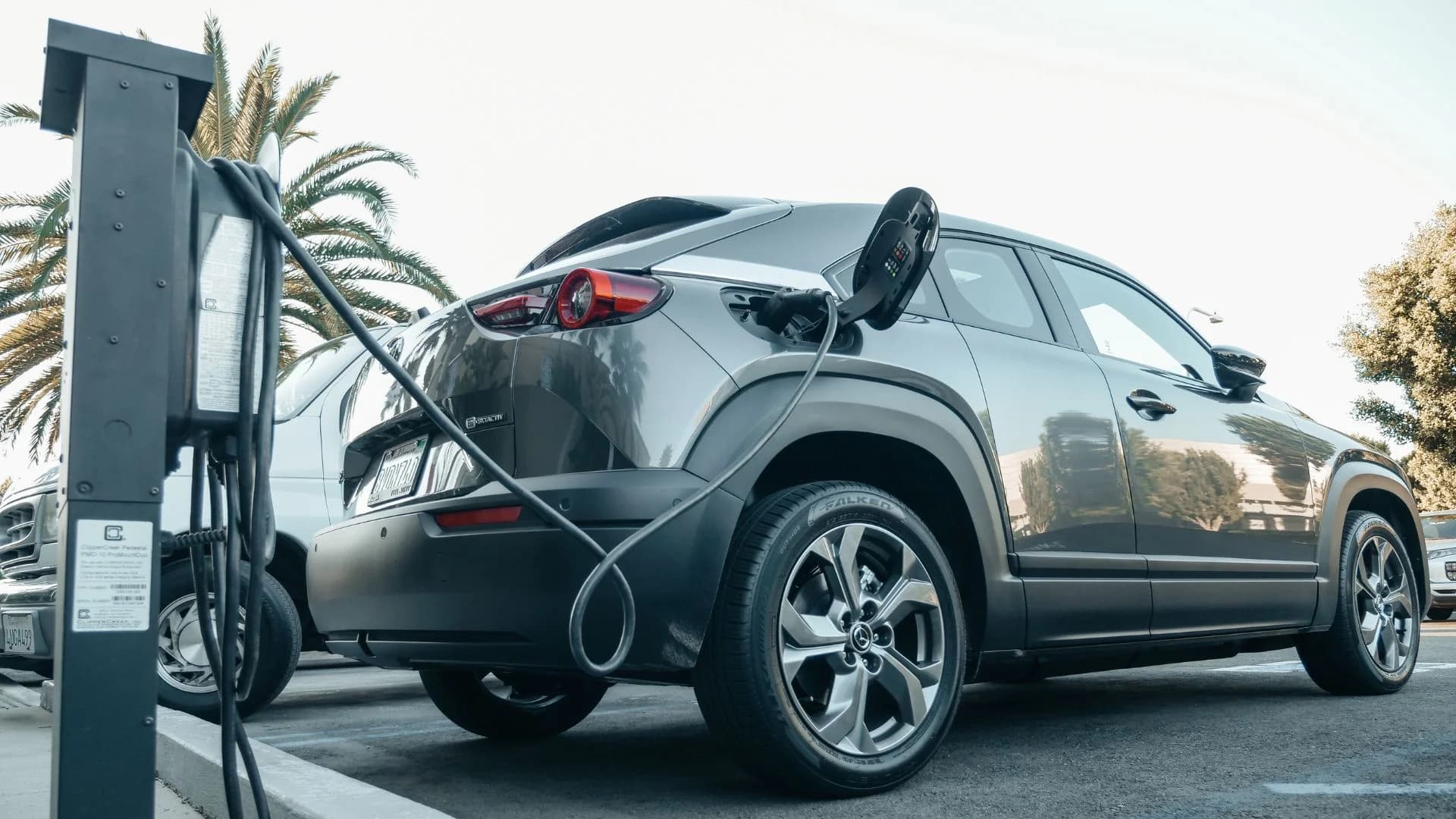
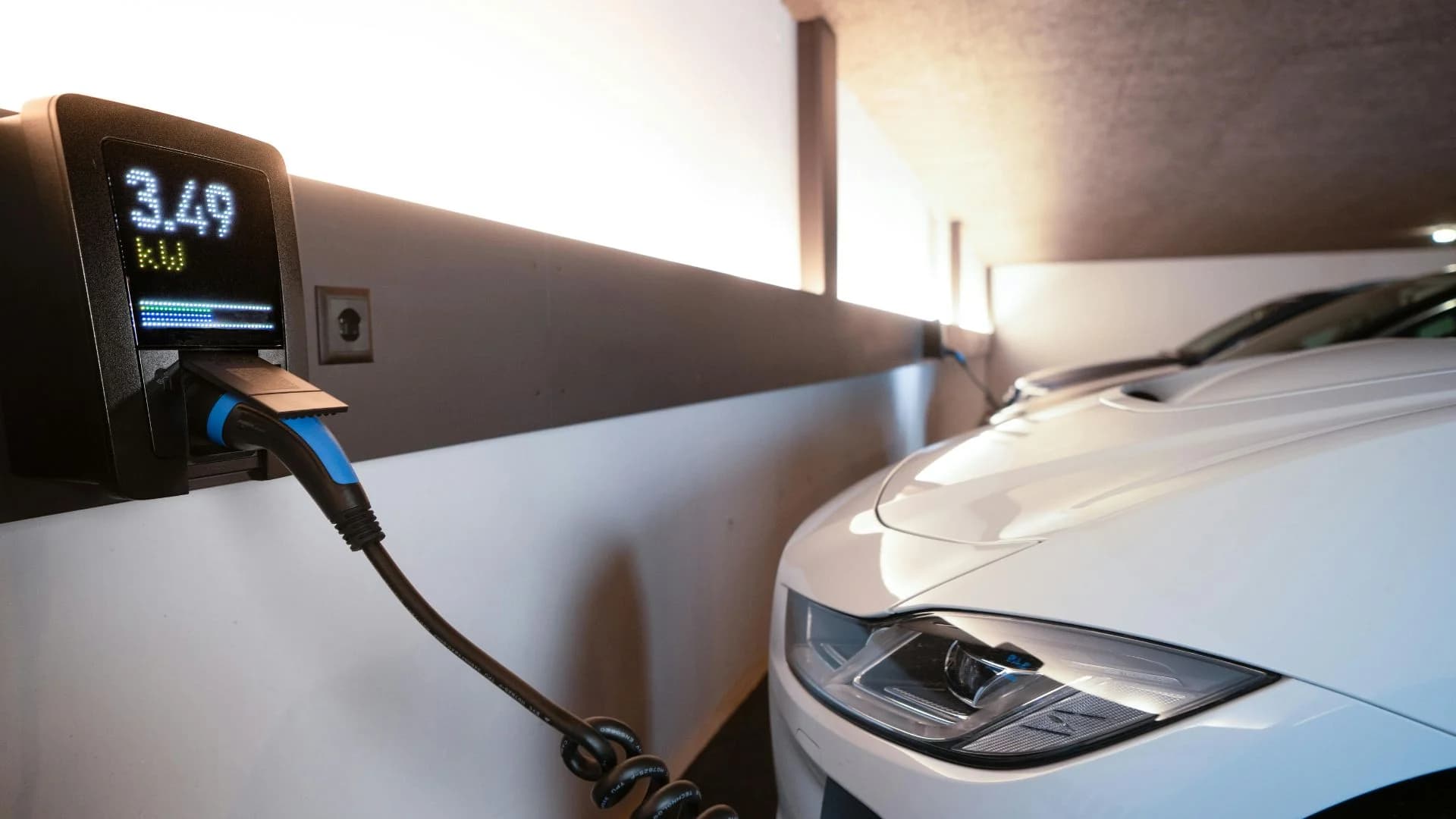
None of these tactics eliminate the impact of rising excise, but they do take the edge off. If petrol volatility is becoming a recurring headache rather than a one-off annoyance, it might be worth looking at whether your next car needs to run on petrol at all. An EV car loan sidesteps bowser price swings altogether, since charging costs are far less exposed to the kind of excise and oil-price shocks driving the current increases.
Is It Time to Reconsider Your Car? Reliability and Running Costs
If you're weighing up a car change anyway, reliability and running costs matter more than the price tag alone. Brands like Toyota, Mazda and Subaru consistently rank among the most dependable on the Australian market, known for lower long-term repair costs, strong parts availability and solid resale value. A reliable used car can often work out cheaper over several years than a newer model with a lower purchase price but higher running costs.
If fuel efficiency and price stability matter more to you than sticking with petrol, it's worth comparing hybrid and electric options against a traditional engine over the life of the loan, not just at the checkout. The savings on fuel alone can offset a higher upfront cost faster than most people expect.
Petrol Prices Australia FAQs
Will petrol prices keep rising after August?
The remaining fuel excise relief ends on 3 August 2026, which is expected to bring a further price increase. After that, prices will move mainly with international oil markets and the exchange rate, rather than government relief measures.
Why are prices still lower than earlier this year, despite recent rises?
Global oil prices eased after a mid-June agreement to end the Middle East conflict that had been pushing costs up. That's kept prices below February 2026 levels even as the excise relief winds back.
Does the excise change affect diesel too?
Yes. The same excise relief and unwind timeline applies to both petrol and diesel, and diesel prices have risen alongside petrol through July.
Key Takeaways
- Fuel excise relief dropped from 32c/L to 16c/L on 1 July 2026, and ends entirely on 3 August 2026
- Average petrol prices across the five largest cities rose from 151.5c/L to 158.1c/L in the first days of July, and have kept climbing
- Prices remain below pre-conflict (February 2026) levels for now, despite the recent rises
- Fuel makes up close to $94 of the average household's $436 weekly car running costs
- Fuel price apps, servicing and driving habits help, but reconsidering an efficient or electric vehicle removes petrol volatility altogether
Whether you're financing a new car, switching to something more fuel-efficient, or just want to understand how rising running costs affect your budget, our brokers compare 30+ lenders to find the right option for your situation. Call 1800 079 147 or apply online.
This article provides general information only. It does not constitute financial advice. Please consider your personal circumstances before making any financial decisions. Loans123 holds Australian Credit Licence 512846.
Ready to see what you could borrow?
Loans123 compares more than 30 lenders from our Victoria Park office in Perth. Read more about our EV Car Loans and Car Finance, or get a quote now.
Checking your options has no impact on your credit score.
Written by

Trent Cray
Finance Specialist, Loans 123
Trent is a Finance Specialist at Loans 123 in Victoria Park, Perth. He helps customers compare more than 30 lenders to find car, personal and business finance that suits their situation.
Meet the Loans 123 team