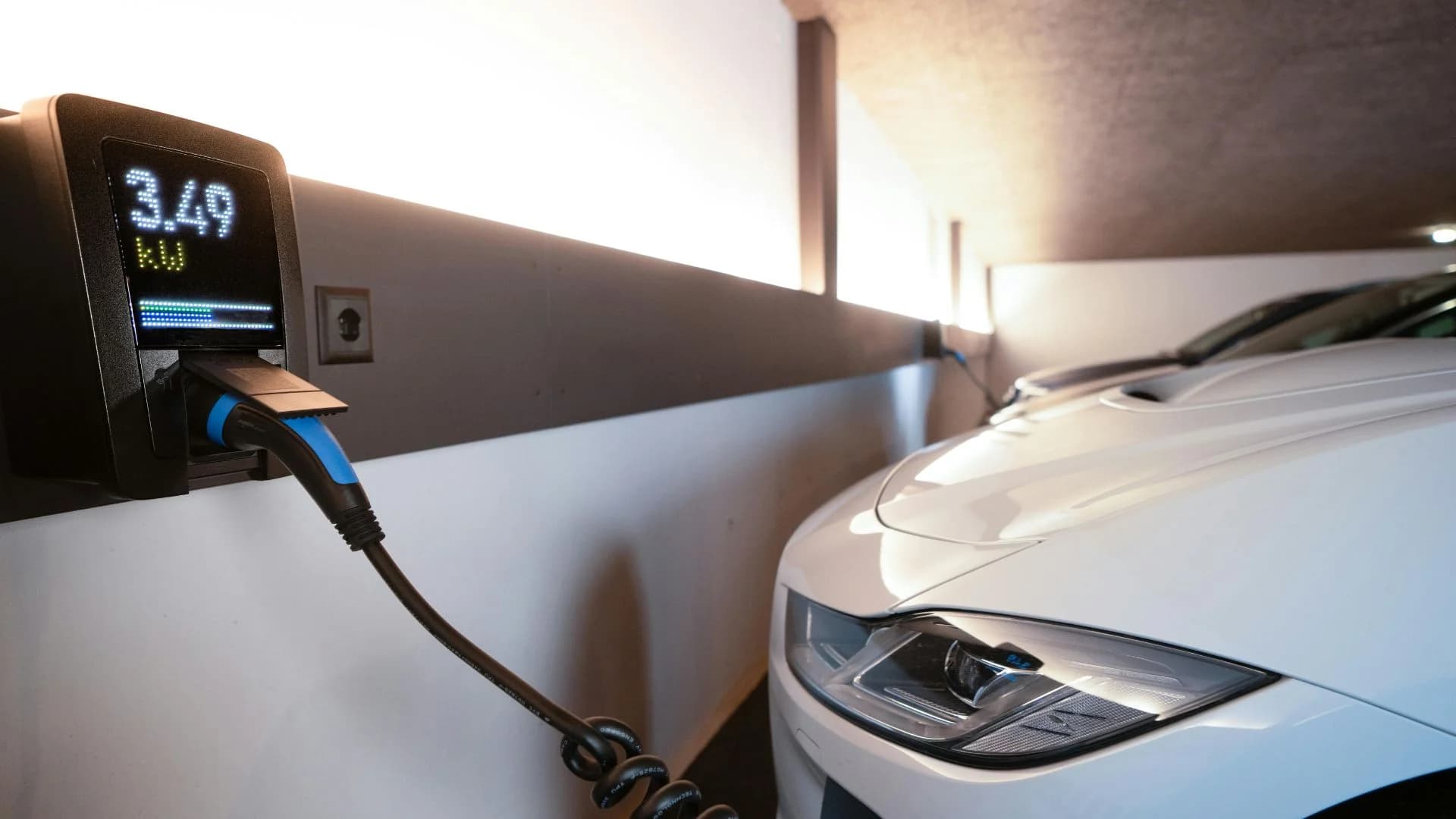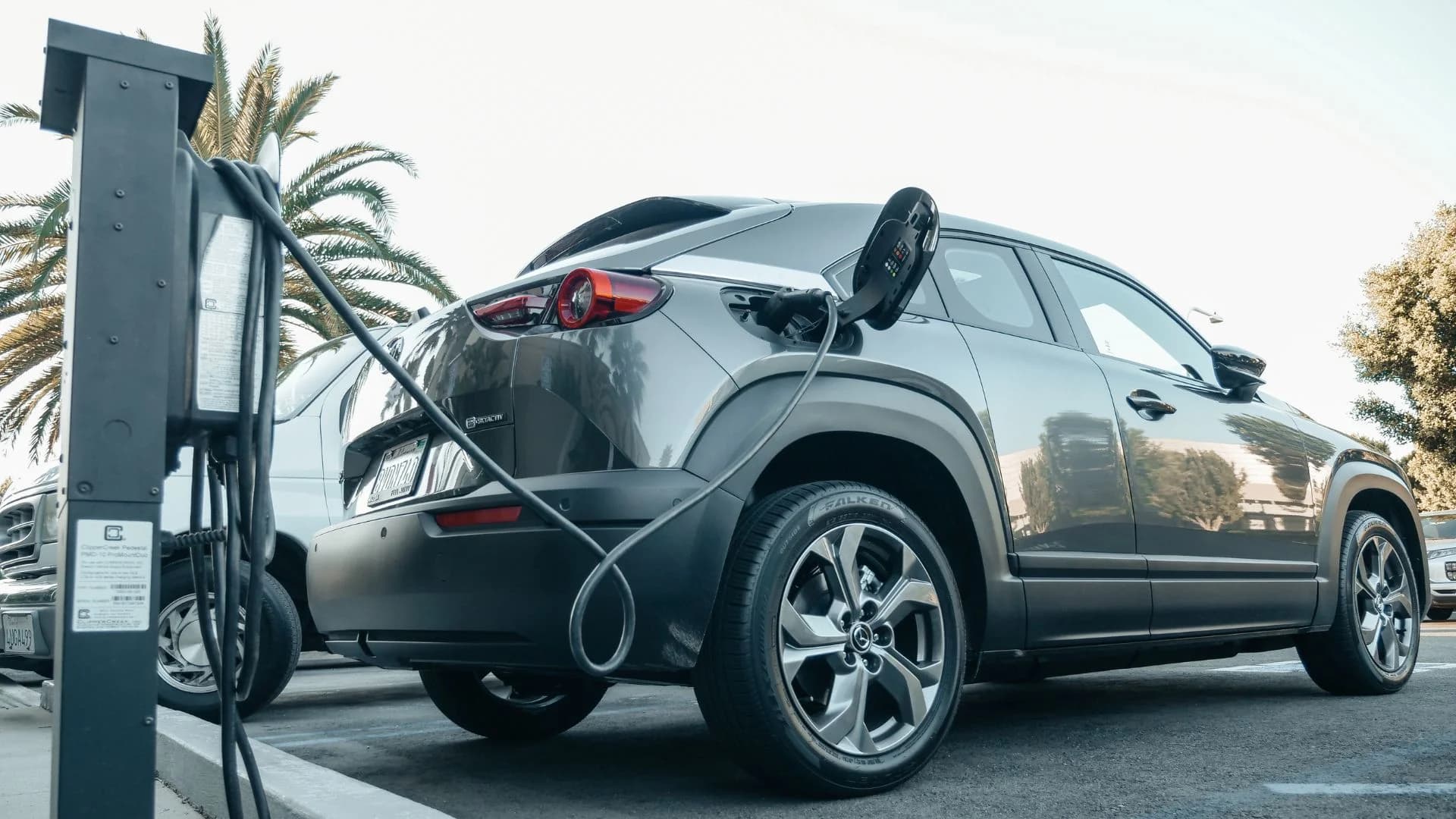
A price war has broken out in the Australian EV market, and buyers are the ones winning it. BYD, MG, GWM and GAC have spent the last year undercutting each other so aggressively that you can now drive home in a brand-new electric car for less than a mid-spec petrol hatchback. That wasn't true even twelve months ago.
If you've been waiting for EVs to hit price parity with petrol before you make the switch, you're pretty much there. Below is our ranked list of the cheapest electric cars on sale in Australia right now, along with the running-cost numbers that actually decide whether an EV saves you money or not.
The 10 Cheapest Electric Cars in Australia Right Now
Prices below are indicative "from" figures and vary by state, on-road costs, and current dealer promotions, so always confirm the exact drive-away price before you commit. That said, this gives you a solid picture of where the market sits.
| Rank | Model | From (indicative) | Battery | WLTP Range |
|---|---|---|---|---|
| 1 | BYD Atto 1 | $23,990 + ORCs | 44.9 kWh | ~300 km |
| 2 | BYD Dolphin | $29,990 driveaway | 44.9 kWh | ~340 km |
| 3 | GAC Aion UT | $30,990 driveaway | 35.3 kWh | 252 km |
| 4 | MG4 Urban | $31,990 driveaway | ~51 kWh | ~350 km |
| 5 | BYD Atto 2 | $31,990 + ORCs | 51.3 kWh | 345 km |
| 6 | GWM Ora | $33,990 driveaway | ~48 kWh | ~310 km |
| 7 | Chery/Omoda E5 | $36,990 | 61 kWh (LFP) | 430 km |
| 8 | BYD Atto 3 Essential | $39,990 | ~50 kWh | ~345 km |
| 9 | MG ZS EV Excite | $39,990 driveaway | ~50 kWh | ~320 km |
| 10 | Leapmotor B10 | ~$39,560 driveaway | ~56 kWh | ~370 km |
The BYD Atto 1 currently holds the title of cheapest EV in Australia by a decent margin. If you want an SUV rather than a hatch, the BYD Atto 2 is the cheapest option in that body style. Worth noting: several of these prices are limited-time launch offers (particularly the Aion UT), so they will not necessarily hold for the rest of the year. If you would rather see how these stack up against Australia’s best-selling petrol and hybrid models, our most popular cars in Australia guide covers the other side of the market.

EV vs Petrol: What Do They Actually Cost to Run?
This is where the real savings show up, and it's the part most price-focused articles skip entirely.
A typical mid-size petrol car using 8 litres per 100 km, at around $2.00 a litre, costs roughly $16 to cover 100 km, or close to $2,400 a year for the average 15,000 km Australian driver. An EV charged at home on a standard electricity tariff (around 30c/kWh) costs closer to $4-6 per 100 km. On an off-peak or solar-supported plan, that drops even further.
Run the numbers over a full year and most EV owners charging predominantly at home are looking at roughly $1,500 to $1,800 in annual fuel savings compared with an equivalent petrol car, before you even factor in the 30-50% lower servicing costs EVs tend to carry due to having fewer moving parts. The Green Vehicle Guide publishes official fuel and energy consumption comparisons if you want to check the exact numbers for a specific model you are considering.
So, Are Electric Cars Worth It in 2026?
For most drivers doing the average 15,000 km a year and charging mainly at home, yes. The upfront price gap with petrol equivalents has closed enough that the running-cost saving now does real work over a 3-5 year ownership period.
Is an EV cheaper than a petrol car overall?
In most cases, on total cost of ownership, yes, once you factor in fuel and servicing. The exception is if you rely heavily on public fast charging, which narrows the gap significantly, or if you're comparing against a highly efficient hybrid rather than a straight petrol car.
What about insurance?
EVs typically run 10-15% higher on comprehensive premiums due to the cost of repairing battery and body components. It is a real cost, but it rarely outweighs the fuel and servicing savings on its own.

Best Value Picks by Use Case
- City commuter: BYD Atto 1. Smallest battery and range on this list, but if most of your driving is short trips and daily charging at home, that's not a real limitation, and it's the cheapest way into an EV full stop.
- Small family SUV: BYD Atto 2. Same footprint as a petrol small SUV, decent range, and currently the most affordable EV SUV on the market.
- Longer commutes or regional driving: Chery/Omoda E5. The 430 km WLTP range is the strongest on this list at this price point, which matters if you are regularly covering long distances between charges.
Financing Your EV: Novated Lease vs Car Loan
If your employer offers salary packaging, a novated lease is usually worth comparing first, particularly on an eligible EV under $75,000, where the current Fringe Benefits Tax settings can make a meaningful difference to your effective cost. It's not the right structure for everyone though: if you're self-employed, your employer doesn't offer salary packaging, or you'd rather own the car outright from day one, a straightforward EV car loan is usually the simpler path.
Either way, it's worth comparing both structures against your actual salary and the specific car you're looking at rather than assuming one automatically wins. If you're weighing up whether a loan or a lease works out cheaper for your situation, our car loan interest rates guide breaks down how to compare offers properly. Our brokers compare 30+ lenders and can run both scenarios side by side so you can see the real numbers before you decide.
Key Takeaways
- The BYD Atto 1 is currently the cheapest new EV in Australia, from around $23,990 plus on-road costs.
- Twelve or more EVs now sit under $40,000 driveaway, a genuine shift toward price parity with petrol.
- Home charging typically saves $1,500 to $1,800 a year in fuel costs compared with an equivalent petrol car, plus lower servicing.
- EVs generally win on total cost of ownership, with higher insurance the main offsetting cost.
- Compare novated lease and car loan structures against your own numbers. What works for one buyer will not always work for another.
Ready to compare your financing options for an EV or any other vehicle? Call 1800 079 147 or get in touch online and we'll find the right rate for your situation.
Source referenced: Green Vehicle Guide (Australian Government), energy consumption and running cost comparisons.
This article provides general information only. It does not constitute financial advice. Please consider your personal circumstances before making any financial decisions. Loans123 holds Australian Credit Licence 512846.
Ready to see what you could borrow?
Loans123 compares more than 30 lenders from our Victoria Park office in Perth. Read more about our EV Car Loans and Car Finance, or get a quote now.
Checking your options has no impact on your credit score.
Written by

Trent Cray
Finance Specialist, Loans 123
Trent is a Finance Specialist at Loans 123 in Victoria Park, Perth. He helps customers compare more than 30 lenders to find car, personal and business finance that suits their situation.
Meet the Loans 123 team