The average car loan interest rate in Australia is about 8.5% to 11% p.a. for a secured, fixed-rate loan in October 2026. Westpac and St.George publish median rates of 8.49% and 10.99%, and the big four banks advertise ranges from 6.49% to 13.54% p.a.
This guide shows the current rates side by side, why they rose this year and what decides the rate you are offered. It also puts the numbers into dollars, covers balloon payments and electric car discounts, and explains where to compare.
Average car loan interest rates in 2026
Most lenders don't publish one average, so the clearest guide is what the big banks disclose for secured car loans. Two of them also publish a median: the rate that around half of their customers receive, or better.
Lender | Secured car loan rates (p.a.) |
|---|---|
Westpac | 6.49% to 12.99%, median 8.49% (comparison rate 7.90% to 14.34%) |
CommBank | 6.79% to 11.29%, representative 8.79% (comparison rate 8.20% to 12.65%) |
NAB | 6.74% to 13.54% (comparison rate 8.29% to 15.03%) |
St.George | 6.49% to 12.99%, median 10.99% (comparison rate 7.90% to 14.34%) |
Source: each lender's published car loan rates, checked 9 October 2026. Rates change often and depend on the borrower and the car.
The bottom of each range is for strong applicants buying a newer car with security, so few people actually get it. That is why the medians matter more than the headline numbers, and why a typical borrower in 2026 should expect a rate somewhere between about 8.5% and 11% p.a.
Unsecured loans cost more because the lender can't take the car back if repayments stop. CommBank's unsecured personal loans, for example, run from 7.25% to 22.25% p.a. on its own published figures.
Why car loan rates rose in 2026
Car loan rates follow the cost of money for lenders, and that tracks the Reserve Bank's cash rate. The cash rate rose four times in 2026, from 3.60% at the start of the year to 4.60% after the September decision.
Date | RBA cash rate target |
|---|---|
10 December 2025 | 3.60% |
4 February 2026 | 3.85% |
18 March 2026 | 4.10% |
6 May 2026 | 4.35% |
30 September 2026 | 4.60% |
Source: Reserve Bank of Australia, cash rate target, October 2026.
The full history is on the Reserve Bank website. Fixed car loans don't move the day the cash rate changes, but new loans are usually priced higher within weeks, so a quote from last year is likely out of date.
What rate will you actually be offered?
Two people can apply to the same lender on the same day and get rates several points apart. The lender is pricing its risk, and these are the things it looks at most.
What the lender looks at | What tends to get a lower rate |
|---|---|
Credit history | A clean file with no defaults, late payments or a cluster of recent applications |
Security | A secured loan, where the car backs the loan |
The car | A new or near-new car; older cars can cost more or be ruled out |
Deposit | A deposit that lowers the amount borrowed against the car's value |
Income and job | Steady income that the lender can verify, past any probation period |
Loan term | A shorter term, which also cuts the total interest |
Fuel type | An eligible electric or plug-in hybrid car, which some lenders discount |
Your credit history usually moves the rate the most. Moneysmart explains that lenders use your credit score to decide whether to lend, and you can get your credit report free every three months.
It is worth checking your file with both Experian and Equifax before you apply, because the two can hold different information. If your history has some marks on it, our page on bad credit loans in Perth explains how lenders assess those applications.
New vs used car loan interest rates
Used car loan interest rates are usually higher than new car rates, because an older car is worth less as security and is more likely to need repairs. Many lenders also set a limit on how old the car can be when the loan ends.
A higher rate doesn't always mean a dearer deal. A $20,000 used car at 9% still costs far less in total than a $40,000 new car at 7%, so the price of the car matters more than the rate alone.
If you are buying second hand, check the car as carefully as the loan. Our guide to buying a used car covers the checks that save money before you sign.
Before you pay for a used car, a $2 search on the PPSR shows whether it is recorded as free from debt. It may also tell you if the car is recorded as stolen or written off, which a lender will not finance.
Car loan comparison rate vs advertised rate
The advertised rate is the interest only. The car loan comparison rate adds most of the fees, so it is the better number for putting two loans side by side.
$30,000 over 5 years | Lender A | Lender B |
|---|---|---|
Advertised rate | 5.99% p.a. | 6.49% p.a. |
Establishment fee | $495 | $0 |
Monthly fee | $12 | $0 |
Comparison rate | about 7.52% p.a. | 6.49% p.a. |
Total repaid | $36,085 | $35,211 |
Source: Loans123 calculation, monthly repayments, establishment fee added to the loan.
Lender A looks cheaper on its advertised rate but costs about $874 more over the five years. Moneysmart describes the comparison rate as a single figure that includes the interest rate and fees.
The comparison rate still leaves some costs out, such as early repayment and late payment fees. Read the fee schedule as well, and compare the total repaid on the amount and term you actually need.
What 1% costs on a $40,000 car loan
A single percentage point sounds small until it is spread over five years. On a $40,000 loan, the gap between 8% and 9% is about $1,157 in extra interest.
Interest rate | Monthly repayment | Total interest over 5 years |
|---|---|---|
6% p.a. | $773 | $6,399 |
7% p.a. | $792 | $7,523 |
8% p.a. | $811 | $8,663 |
9% p.a. | $830 | $9,820 |
10% p.a. | $850 | $10,993 |
Source: Loans123 calculation, $40,000 over 60 months, monthly repayments, before fees.
Most car loans charge interest on the balance still owing, so each repayment clears a little more of the loan than the last. To try your own amount and term, use the Loans123 loan calculator.
Balloon payments: lower repayments, higher total cost
A balloon payment is a lump sum left owing at the end of the loan, which makes each repayment smaller. On the same $40,000 loan at 8% with a 30% balloon, repayments drop to about $648 a month, but you still owe $12,000 at the end.
The total interest rises to about $10,864, compared with $8,663 without a balloon. Moneysmart makes the same point: you repay the lump sum with interest, so the total cost is generally higher.
Cheaper rates for electric cars
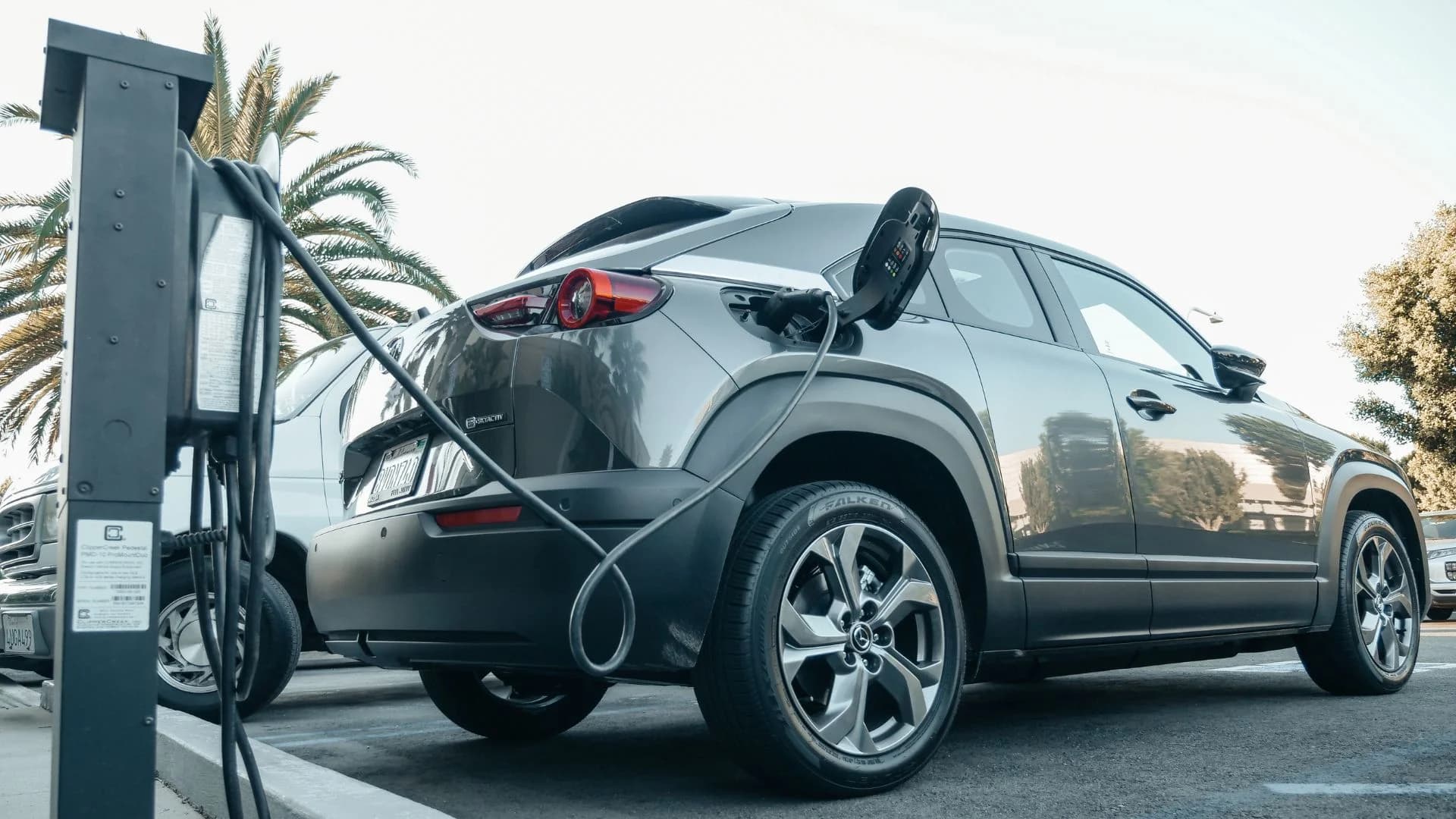
Several big lenders now price eligible electric and plug-in hybrid cars below their standard rates. NAB takes 0.75% off its standard range for eligible cars, and CommBank lists 6.49% to 8.49% p.a. for eligible electric and plug-in hybrid vehicles.
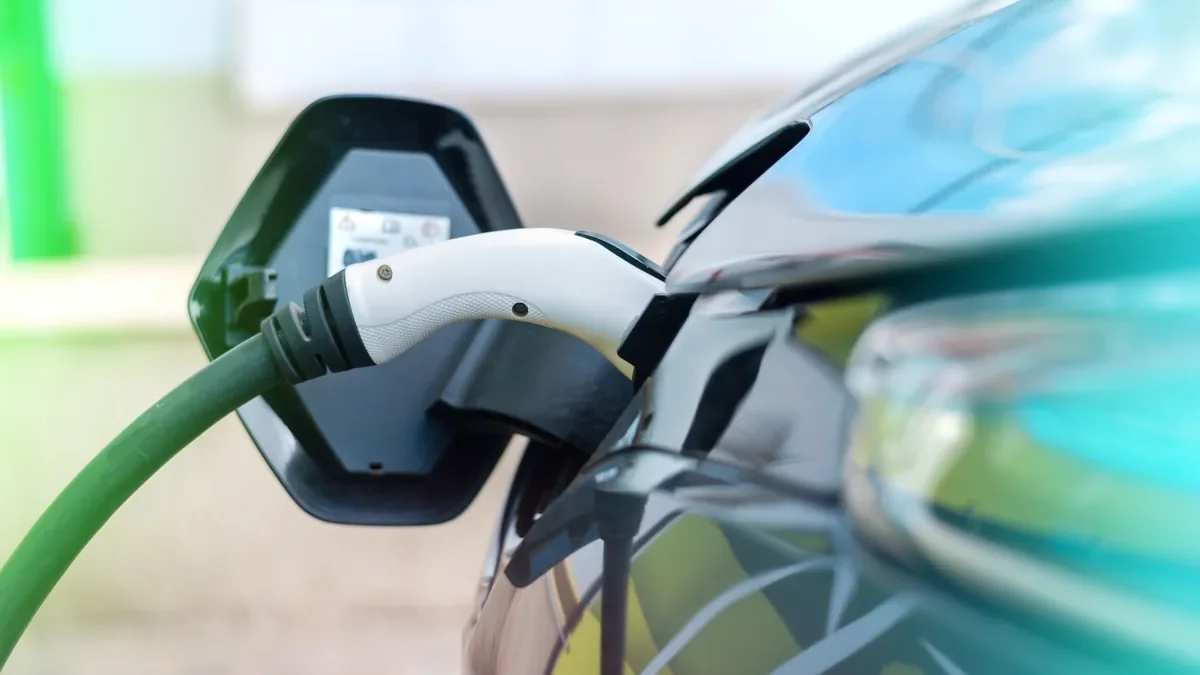
The discount only helps if the car itself is good value. Our list of the cheapest electric cars in Australia compares the prices, and a novated lease can change the sums again for employees.
The total cost for Perth and WA buyers
In Western Australia, vehicle licence duty is payable when the licence is granted or transferred to you. The WA Government sets it at 2.75% of the value up to $25,000, rising on a sliding scale to 6.5% above $50,000.
That works out to about $1,050 on a $30,000 car and $2,000 on a $40,000 car. If you add the duty to the loan, you pay interest on it for the whole term, so it is worth budgeting for it in cash where you can.
Bank, dealer or broker: where to compare
A bank can only offer its own loans, and its criteria may not suit a casual job, an older car or a thin credit file. Dealer finance is convenient, but the dealer is often paid for arranging it, so the rate may not be the lowest you could get.
A broker compares several lenders against your situation in one application. Loans123 works with a panel of 30+ lenders, which helps most when your application is not straightforward or when the dealer's quote looks high.
How to get a lower car loan rate
None of these steps needs a perfect credit file. Each one either lowers the lender's risk or helps you see the real cost.
- Check both credit reports for errors and fix them before you apply.
- Compare loans on the comparison rate and the total repaid, not the advertised rate.
- Choose the shortest term you can comfortably afford.
- Put down a deposit if you can, even 10% to 20% of the price.
- Use the car as security unless there is a good reason not to.
- Get pre-approval before you shop, so you know the rate a lender will offer and can weigh the dealer's quote against it.
- Avoid lots of applications in a short time, because each one can show on your credit file.
Frequently asked questions
What is the average car loan interest rate in Australia right now?
For a secured, fixed-rate car loan it is about 8.5% to 11% p.a. in October 2026, based on the medians Westpac and St.George publish. Advertised ranges at the big four banks run from 6.49% to 13.54% p.a.
Is 7% a good interest rate for a car loan?
Yes, 7% p.a. is below the medians the big banks publish, so it is a good rate in 2026. Check the comparison rate as well, because fees can add a percentage point or more.
How much is a $40,000 car loan over 60 months?
At 8% p.a. the repayment is about $811 a month, with about $8,663 in interest over the five years. At 10% p.a. it is about $850 a month and $10,993 in interest.
Which lender offers the lowest car loan rates?
No single lender is lowest for everyone, because each prices your credit, the car and the loan differently. Comparing several lenders on the comparison rate is the only reliable way to see which one prices your loan best.
Is a car loan better than a novated lease?
It depends on your salary, your employer and the car. A novated lease can save tax for some employees, while a car loan means you own the car from day one and can keep it if you change jobs.
Comparing car loans with a broker
If you want to see what rate you could get across several lenders, our page on car finance in Perth explains how the comparison works. Salary packaging an electric car is covered on our novated lease page.
This article is general information only and does not take your personal circumstances into account. It is not financial advice. Consider whether a product suits you and read the loan terms before you apply.
Ready to see what you could borrow?
Loans123 compares more than 30 lenders from our Victoria Park office in Perth. Read more about our Car Finance and Commercial Car Loans, or get a quote now.
Checking your options has no impact on your credit score.
Written by

Trent Cray
Finance Specialist, Loans 123
Trent is a Finance Specialist at Loans 123 in Victoria Park, Perth. He helps customers compare more than 30 lenders to find car, personal and business finance that suits their situation.
Meet the Loans 123 team