

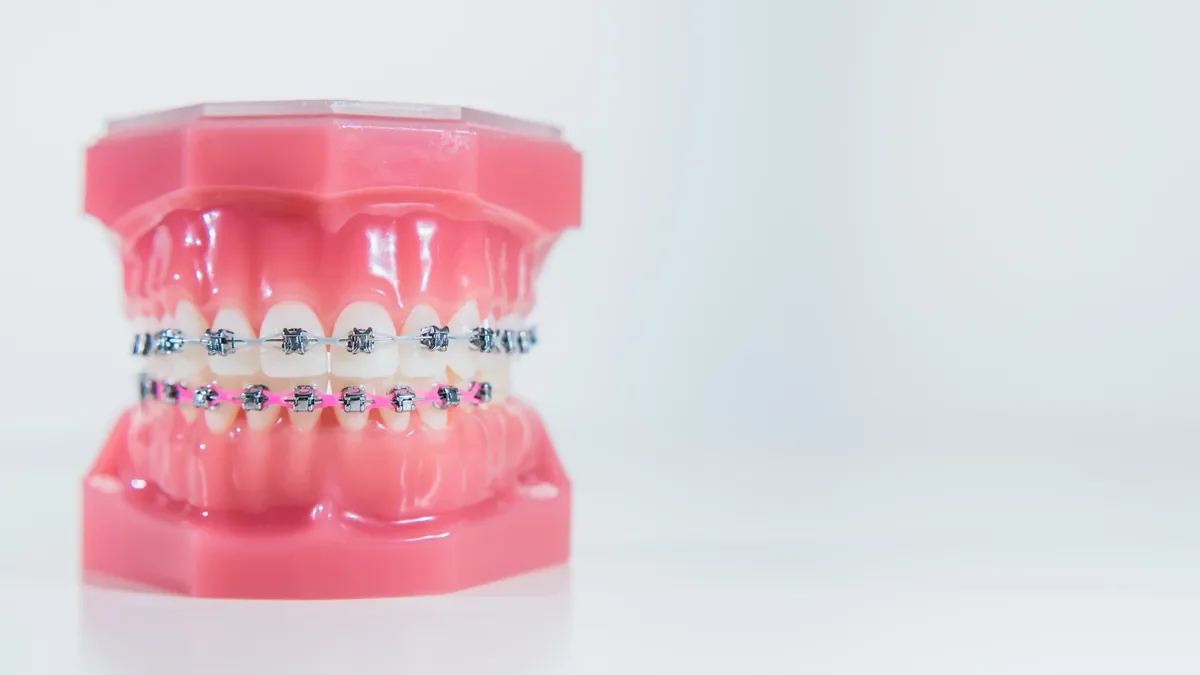
How much do braces cost in Australia? Medibank's guide, which cites Orthodontics Australia figures retrieved in May 2025, lists a full course of metal braces at $7,000 to $9,000 and lingual braces at $10,000 to $12,000, but your own treatment plan sets the actual price.
This guide covers the published price ranges by type, what a quote may or may not include, how Medicare, the Child Dental Benefits Schedule and private health insurance apply, and the ways people pay. It's general information, not orthodontic advice.
Type of treatment | Published guide range (full course) |
|---|---|
Metal braces | $7,000 to $9,000 |
Ceramic braces | $7,500 to $10,000 |
Lingual braces | $10,000 to $12,000 |
Clear aligners | $8,000 to $10,000 |
Source: Medibank's orthodontics cover guide, citing Orthodontics Australia figures retrieved in May 2025; checked 15 October 2026. These are published guide ranges, not 2026 data, quotes or national averages.
Medibank notes that you'll need an initial consultation to find out what your own treatment will cost. Treat the table as a starting point for budgeting, then compare it with the written quote you receive.
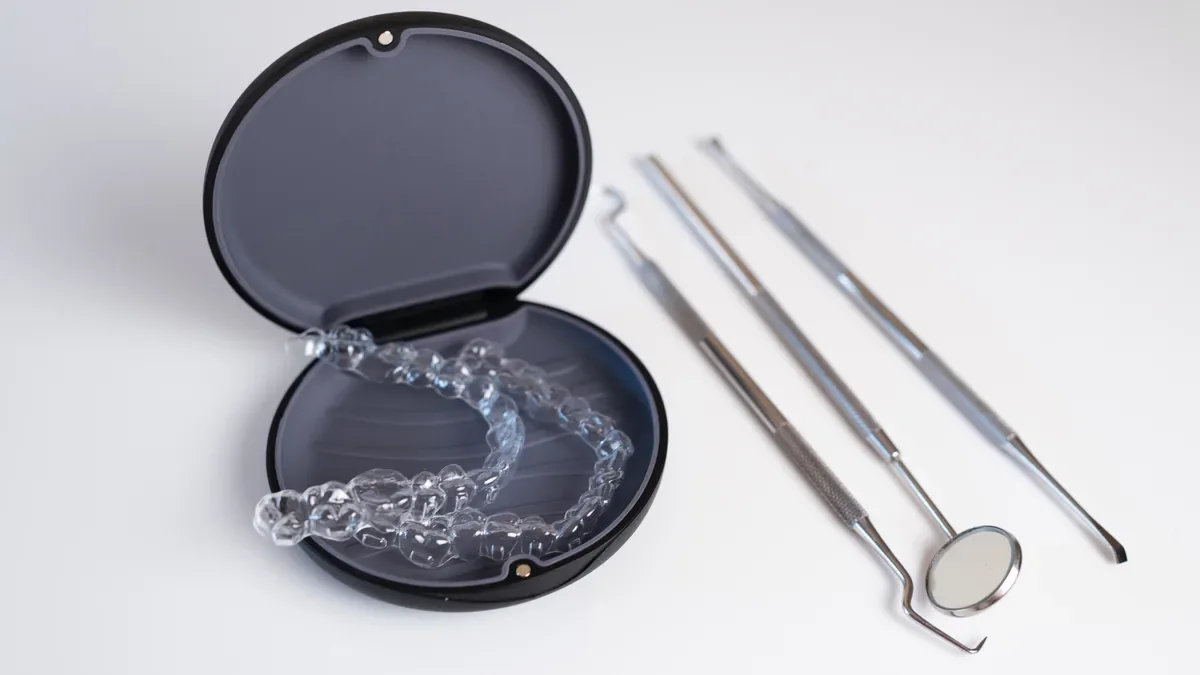
Why quotes differ
Two people can get very different quotes for the same type of braces. The price depends on the plan the orthodontist or dentist puts together for you.
The main things that can change the price are:
- Treatment needs: how much the teeth or bite need to move, and whether other dental work is needed first
- Length of treatment: a longer course usually means more appointments
- Type of appliance: metal, ceramic, lingual or clear aligners
- Location: fees can vary between cities, suburbs and regions
- Who provides it: an orthodontist or a general dentist, and how each practice sets its fees
Published guides also differ from one another. Another health insurer's guide lists different ranges for the same types, which is one more reason to rely on your own quote rather than any single table.
Children, teens and adults
There isn't a separate price for children, and age alone doesn't set the cost. What matters is the treatment a person needs, how complex it is and how long it takes.
Some treatment is done in stages, especially when it starts young. If that's suggested, ask what each stage involves and what each stage costs, so you can see the full amount before you agree.
You don't need a referral to see an orthodontist, according to healthdirect. Orthodontists complete an extra 3 years of training after their dental degree.
What to ask before you sign
A quote is easier to compare when you know exactly what it covers. Healthdirect's advice is simple: always ask how much your treatment will cost.
These questions can help you check a quote line by line:
- Is the first consultation charged separately, and does it include records such as X-rays, scans or photos?
- Are all adjustment appointments included? Healthdirect says routine visits may happen every 4 to 12 weeks once treatment starts.
- Is removing the braces included?
- Are retainers included, and what does a replacement retainer cost?
- What do emergency visits cost, such as for a broken bracket or wire?
- What happens to the price if treatment takes longer than planned?
- What deposit is needed, and when is each payment due?
Ask for the answers in writing as part of the quote. That way you can compare practices on the same basis.
Does Medicare cover braces?
Generally, no. Healthdirect says orthodontic treatment can be expensive because the costs aren't covered by Medicare.
The Child Dental Benefits Schedule doesn't change that. According to healthdirect's guide to dental procedures, the schedule is for children aged 0 to 17 who are eligible for Medicare and whose family gets a payment from Services Australia, and it does not cover orthodontic work.
There is one narrow exception. Specific Medicare items for Cleft and Craniofacial Services, listed on MBS Online, may apply to treatment for eligible cleft and craniofacial conditions.
Those items don't cover ordinary orthodontic treatment. Your treating practitioner decides whether you're eligible, so ask them directly if this may apply to you.
Private health insurance and braces
Some extras policies include orthodontics, but what they pay varies a lot. Cover, waiting periods, annual limits and lifetime limits all depend on the insurer and the policy.
The Australian Government's privatehealth.gov.au says each insurer sets its own waiting periods for extras, and that extras cover can have limits per service, per year or over a lifetime. Check your own policy before you book, and don't assume the waiting period on someone else's policy applies to yours.
Healthdirect suggests contacting your health fund to find out what it will cover. It helps to ask:
- Does my policy include orthodontics, and has my waiting period been served?
- Is there an annual limit, a lifetime limit, or both?
- How much would the fund pay towards the treatment in my quote?
- Does the fund pay in one amount or spread across the treatment?
Public dental in WA
Public dental services in Western Australia don't provide orthodontic treatment. Dental Health Services WA says orthodontics are not provided and patients are referred, both in its School Dental Service for eligible students from pre-primary to the end of Year 11 and in its General Dental Service for eligible people with a health care card or pension concession card.
If you're in another state, check your state health department's dental pages.

Ways to pay for braces
Most people combine more than one way to pay. Each option has its own costs and conditions, so compare them on the total amount you'll pay.
Option | What to check |
|---|---|
Practice payment plan | The deposit, the number of instalments, any fees or interest, what happens if a payment is missed, and whether the plan ends before treatment does |
Private health extras | Whether orthodontics is included, the waiting period, and the annual and lifetime limits on your policy |
Savings | How much you can set aside before treatment, and whether you'll still have a buffer for other costs |
Personal or dental loan | The interest rate, all fees, the term, the total repaid, and that applying adds an enquiry to your credit file |
Healthdirect notes that some orthodontists may offer payment plans. Ask the practice for the plan's terms in writing so you can compare it with the other options.
A hypothetical example of borrowing
If you borrowed $6,000 at a fixed 12% a year with monthly repayments and no fees, the figures would look roughly like this. The longer term lowers the monthly repayment but adds to the total interest.
Term | Monthly repayment, total repaid and interest |
|---|---|
2 years | About $282 a month; about $6,779 repaid in total, including about $779 interest |
3 years | About $199 a month; about $7,174 repaid in total, including about $1,174 interest |
Source: hypothetical Loans123 calculation, not a Loans123 rate or offer. Figures are approximate and exclude fees and charges.
Fees or a different rate would change both the repayments and the total cost. You can test other amounts and terms with the loan calculator, and our guide to choosing a loan term explains the trade-off in more detail.
Frequently asked questions
Why are braces so expensive in Australia?
Treatment runs over many months with regular appointments, and each plan is tailored to the person. Healthdirect notes visits may happen every 4 to 12 weeks once treatment starts.
Does Medicare cover braces?
Generally no, as healthdirect says orthodontic costs aren't covered by Medicare. Specific Medicare items may apply to eligible cleft and craniofacial conditions, and the treating practitioner decides eligibility.
Does the Child Dental Benefits Schedule cover braces?
No. Healthdirect lists orthodontic work among the services the schedule doesn't cover.
Does private health insurance cover braces?
Some extras policies include orthodontics, but cover, waiting periods and limits vary by insurer and policy. Check your own policy and ask your fund what it would pay.
Do you need a referral to see an orthodontist?
No, healthdirect says you don't need a referral. The orthodontist can explain the treatment plan and its cost at the first consultation.
Planning the cost of braces
Start with a written quote that lists what's included, then check what your health fund would pay and when. With those two numbers, you'll know how much is left to cover.
Compare the ways to pay on the total cost, including any fees. If you're weighing finance as one of the options, you can read about dental loans for orthodontic treatment, and check the full cost before you apply.
This article is general information only and does not take your personal circumstances into account. It is not financial advice. Consider whether a product suits you and read the loan terms before you apply.
Ready to see what you could borrow?
Loans123 compares more than 30 lenders from our Victoria Park office in Perth. Read more about our Dental Loans and Medical Loans, or get a quote now.
Checking your options has no impact on your credit score.
Written by

Trent Cray
Finance Specialist, Loans 123
Trent is a Finance Specialist at Loans 123 in Victoria Park, Perth. He helps customers compare more than 30 lenders to find car, personal and business finance that suits their situation.
Meet the Loans 123 team